
A new year is underway, and what better way to begin our 2023 blog activity than with a summary of the freshest news from the supply chain and logistics theatre?
In this edition of our news roundup, we cover the following notable developments:
- China’s U-turn on COVID policy and the potential impact on global supply chains
- South Korean President’s supply chain message in World Economic Forum address
- The death of just-in-time in the seafood supply chain
- The rapid growth of the big and bulky sector in last-mile logistics
- Walmart’s success with drone deliveries leaves Amazon lagging
- The end of the Maersk/MSC container shipping alliance
- The new software that could solve omnichannel warehouse woes.
So let’s get this new roundup underway with a look at the COVID situation in China since the nation shifted away from a zero-COVID policy.
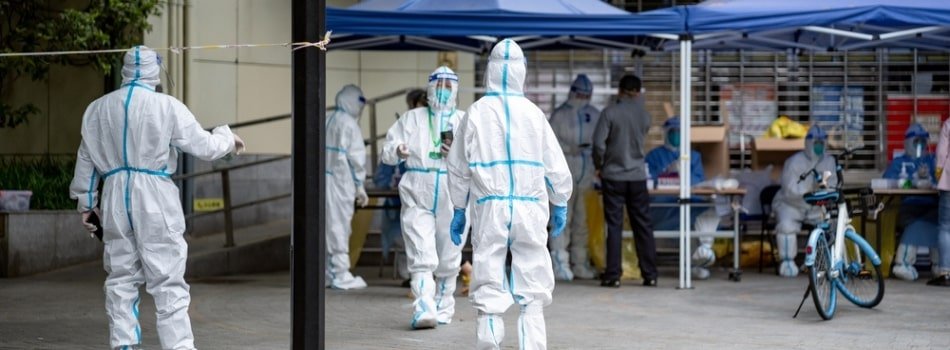
While few in the Western world may have thought that China’s zero-COVID policy could be effective, or that it was anything other than an obstacle to the smooth operation of global supply chains, the Chinese government’s abrupt reversal might bring about a much more severe disruption to international logistics and trade. But is that a real possibility, or are the predictions of supply chain mayhem just so much panic and hot air?
Indeed, there is cause for concern about Chinese factories’ ability to fulfill orders, given the massive uptick in COVID cases since the harsh policy was lifted.
In the week ending January 15th, hospitalisations in the People’s Republic increased by 70% against the week prior, according to The World Health Organization (WHO) as reported by Reuters. Other reports say that people are sickening quickly and in enormous numbers, leaving factories short-staffed at the worst possible time—Chinese New Year.
COVID and Chinese New Year—A Perfect Storm for Supply Chains
In some cases, as much as 40% of a Chinese factory’s workforce might be absent, either because of COVID infection, or staff staying away from work to avoid contagion. With the virus running rampant, members of factory management teams, too, can become thin on the ground, placing manufacturing companies under severe strain.